Artificial intelligence is everywhere in the roofing industry right now.
AI-generated content. AI chatbots. AI estimates. AI call summaries. AI-powered CRMs. Nearly every piece of software seems to have an AI feature attached to it.
But for roofing contractors, the important question isn't "Are we using AI?"
It's "Is AI helping us create and convert more opportunities?"
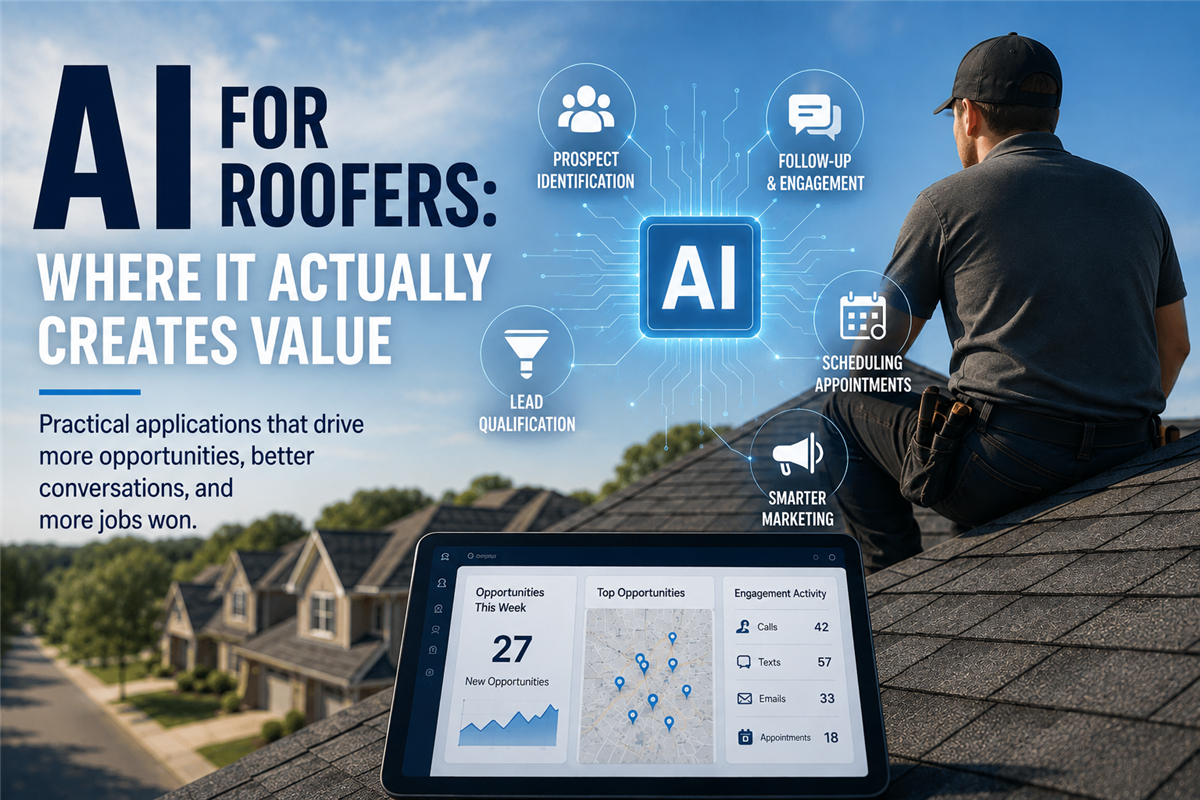
The biggest opportunity for AI isn't replacing salespeople, marketers, or the relationships that ultimately win roofing jobs. It's using technology to handle the time-consuming work surrounding those people — identifying the right prospects, engaging leads quickly, maintaining consistent follow-up, qualifying opportunities, and making it easier for interested homeowners to take the next step.
Here are five areas where AI can create practical value for roofing companies today.
1. Identifying Better Prospects
Traditional contractor marketing often starts with a broad audience.
Pick a service area. Select a group of ZIP codes. Build a mailing list. Target homeowners on an advertising platform. Then spend money trying to determine who within that audience might actually need your services.
AI and better home data can start to reverse that process.
Instead of beginning with thousands of households and treating them equally, contractors can use available signals to identify properties and audiences that warrant greater attention.
That could include factors such as:
- Property and home characteristics
- Location and proximity to completed projects
- Severe weather exposure
- Previous customer and project data
- Engagement with your company's marketing
- Other indicators relevant to the services you provide
The goal isn't simply to create a bigger database. It's to help contractors answer a much more useful question:
Where should our sales and marketing teams focus next?
When AI helps narrow a market into actionable opportunities, marketing becomes less about reaching everyone and more about reaching the right people with a relevant reason to engage.
2. Following Up While the Opportunity Is Fresh
Generating a lead is only the beginning.
A homeowner can submit a form and continue researching contractors seconds later. They may contact several companies, answer the first contractor who calls, or simply get distracted and move on.
That's why one of AI's most practical applications happens immediately after the lead is generated.
Modern engagement systems can initiate follow-up quickly and coordinate multiple channels, including:
- Phone calls
- Text messages
- Voicemail
- Automated follow-up sequences
Instead of relying on someone to notice a notification, find time between appointments, and manually begin outreach, technology can start that process almost immediately.
This isn't about removing the salesperson from the conversation.
It's about making sure the salesperson actually gets the opportunity to have one.
3. Qualifying Opportunities Before They Reach Sales
Not every lead deserves the same amount of attention.
Some homeowners are actively looking for a contractor. Others are researching. Some may be outside your service area, looking for a service you don't provide, or simply aren't ready to schedule.
Traditionally, a salesperson has to work through much of that manually.
AI can help handle the early stages of qualification by gathering information, responding to basic questions, understanding intent, and determining the appropriate next step.
By the time a qualified opportunity reaches the sales team, they can have more context around:
- What the homeowner needs
- Where the property is located
- What service they're interested in
- When they're looking to complete the project
- Previous interactions with the company
- Whether they're ready for an appointment
That changes the role of automation from simply "responding to leads" to helping prepare opportunities for a productive sales conversation.
4. Making Scheduling Frictionless
Even an interested homeowner can disappear during the back-and-forth of scheduling.
"What does Tuesday look like?"
"Tuesday doesn't work. How about Wednesday?"
"I can do Wednesday morning."
That friction is unnecessary when availability can be connected directly to the engagement process.
AI-assisted scheduling can help move a qualified homeowner from conversation to a confirmed appointment without waiting for someone on the team to manually coordinate calendars.
For the homeowner, it's easier.
For the contractor, it means the result of the marketing process isn't simply another name in the CRM.
It's an appointment on the calendar.
5. Making Marketing More Relevant
AI can also improve what happens before a homeowner ever becomes a lead.
One of the biggest opportunities is creating marketing around information that's actually relevant to the person receiving it.
Consider a roofing company that just completed a project in a neighborhood.
Instead of running the same generic roofing advertisement across the entire market, the contractor can build marketing around that real project. Nearby homes can be identified, the completed work can become the creative, and messaging can speak directly to the neighborhood.
The same principle applies to severe weather.
Rather than treating an entire region equally, weather intelligence can help contractors understand where meaningful events occurred and align their outreach accordingly.
AI can help connect the dots between data, timing, audience, and message.
And that makes marketing more useful than simply generating another variation of ad copy.
The Best AI Doesn't Replace Your Team. It Gives Them Leverage.
Roofing is still a relationship-driven business.
Homeowners want to know who they're hiring. They want confidence in the contractor standing in front of them. Salespeople still need to build trust. Production teams still need to deliver quality work.
AI doesn't change any of that.
What it can change is how much manual work has to happen before those valuable human interactions occur.
Think about the traditional process:
Find prospects → advertise → generate leads → respond → follow up → qualify → schedule → sell.
There are repetitive, data-intensive tasks at nearly every stage of that journey.
Those are the areas where AI can provide leverage.
The contractor's team can spend less time searching through data, chasing unresponsive leads, sending repetitive follow-ups, and coordinating calendars — and more time talking to qualified homeowners and winning jobs.
A Better Question to Ask About AI
Contractors don't need AI simply because AI is the latest technology trend.
They need better ways to grow efficiently.
So when evaluating an AI product, feature, or platform, skip the buzzwords and ask practical questions:
Does it help us identify better opportunities?
Does it help us engage those opportunities faster?
Does it improve our follow-up?
Does it help qualify prospects before our team spends time on them?
Does it make it easier to put appointments on the calendar?
Does it make our marketing more relevant?
If the answer is yes, AI is doing something valuable.
If not, it's probably just another feature with "AI" in the name.
At Predictive Sales AI, that's the standard we believe AI should be held to: not how impressive the technology sounds, but how effectively it helps contractors turn data into opportunities, opportunities into conversations, and conversations into customers.
AI for Roofers: Where It Actually Creates Value

Extreme Weather Insights: Hail and Wind Threats Shift East August 24–30
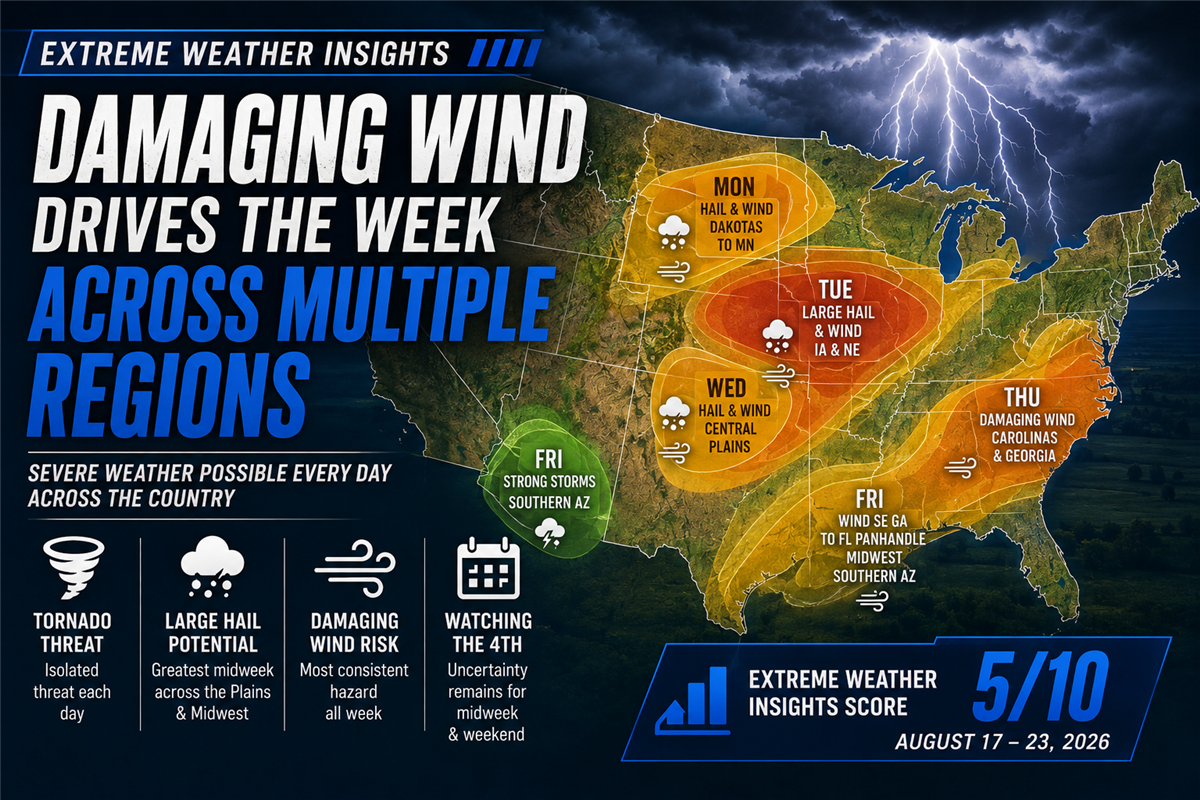
Extreme Weather Insights: Damaging Wind Remains the Story for August 17–23
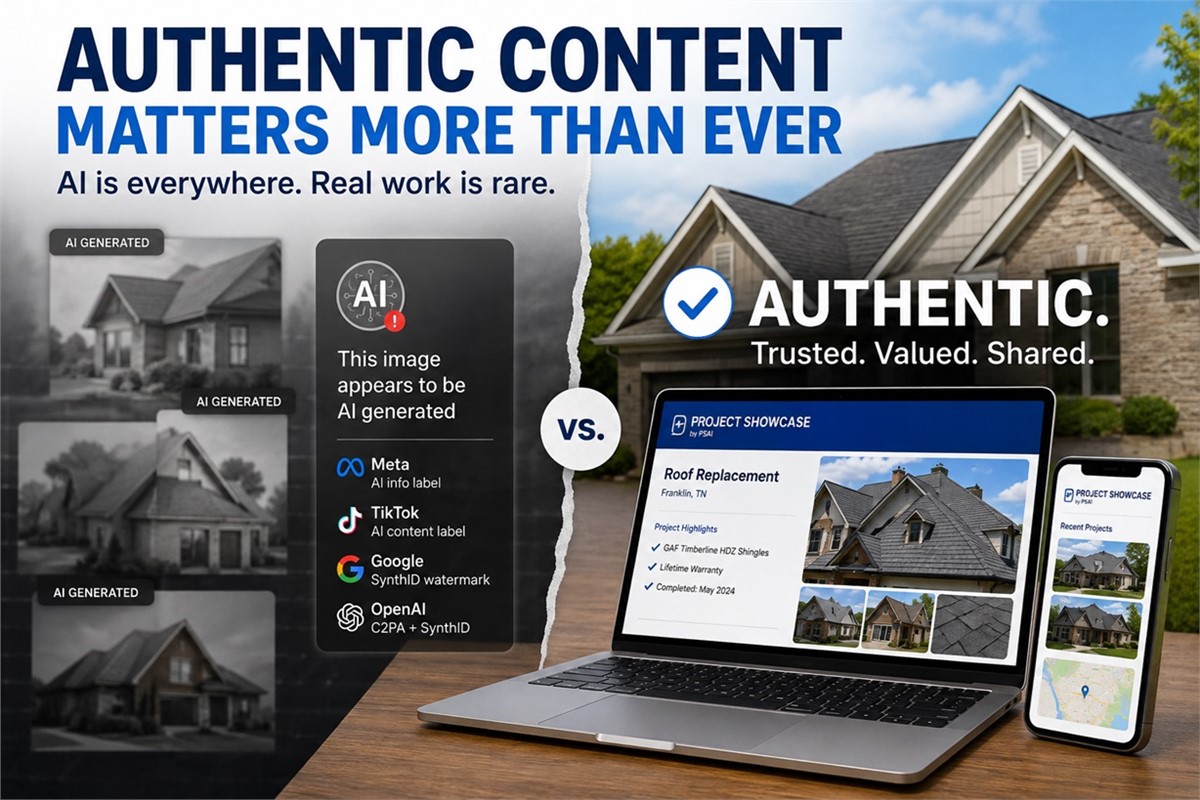
In an AI-Generated World, Real Work Stands Out
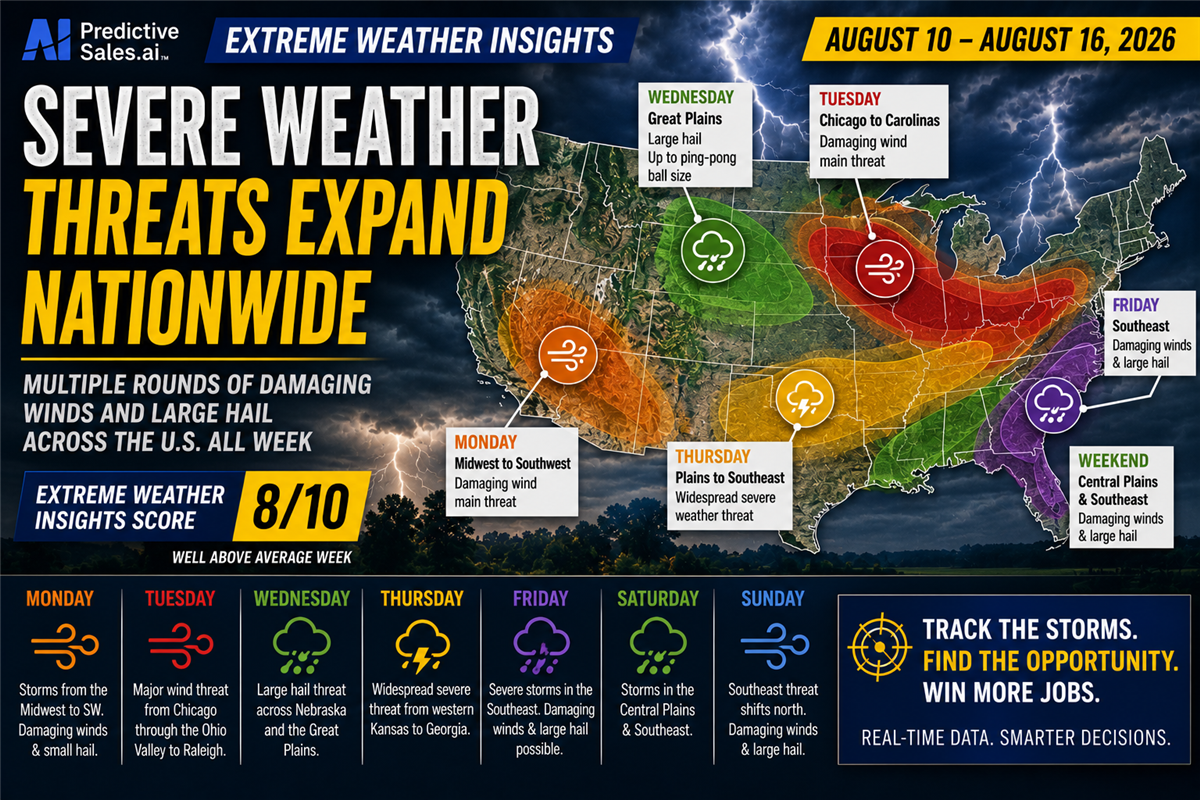
Severe Weather Activity Expands Nationwide as Extreme Weather Insights Score Jumps to 8
Subscribe to Predictive Sales AI, LLC's Blog

Comments